
Gravitational Forces
At the end of this lesson, students should be able to understand gravitational forces
Drug Abuse: Family Health
Define drug abuse and state its effects
Matter: Living and Non-LIving Things
Recognize that all living and nonliving things are made up of matter
List the three states of matter
Collect and identify samples of living and nonliving things in their environment
List the distinguishing characteristics of living and nonliving things
State the importance of plants and animals to human beings
Collect samples of some living and non-living things, sort out the materials and explain the uses
Matter: Living and Non-LIving Things
Recognize that all living and nonliving things are made up of matter
List the three states of matter
Collect and identify samples of living and nonliving things in their environment
List the distinguishing characteristics of living and nonliving things
State the importance of plants and animals to human beings
Collect samples of some living and non-living things, sort out the materials and explain the uses
Pathogens, Diseases and their prevention (ii)
Identify the diseases caused by pathogens;
List different types of disease;
Mention the effect of diseases on athletes performance in physical activities;
List types of preventive measures.
Construction (ii)
Construct parallel and perpendicular lines
Bisect a given line segment
Construct angles 90 and 60 degrees.
Construction (ii)
Construct parallel and perpendicular lines
Bisect a given line segment
Construct angles 90 and 60 degrees.
Construction (ii)
Construct parallel and perpendicular lines
Bisect a given line segment
Construct angles 90 and 60 degrees.
Pathogens, Diseases and their prevention (i)
Identify the diseases caused by pathogens;
List different types of disease;
Mention the effect of diseases on athletes performance in physical activities;
List types of preventive measures.
Contact and Non-Contact Sports
Differentiate contact and non-contact sports;
List examples of contacts and non-contacts sports;
List the benefits of taking parts in contact and non-contact sports;
Demonstrate the common skills in contacts and non-contact sports;
List safety measures in contact and non-contact sports
Contact and Non-Contact Sports
Differentiate contact and non-contact sports;
List examples of contacts and non-contacts sports;
List the benefits of taking parts in contact and non-contact sports;
Demonstrate the common skills in contacts and non-contact sports;
List safety measures in contact and non-contact sports
Ball games – Soccer – Volleyball
Narrate the history and development of volley ball and soccer;
Describe volleyball and soccer;
Demonstrate the techniques and skills involved in playing the games;
Apply the rules and regulations governing the games;
List the officials of the games and their functions;
List the facilities/equipment use during the games and their dimensions;
List the safety measures in soccer and volleyball.
Recreation, Leisure and Dance Activities
Define recreation, leisure and dance;
Differentiate between recreation, leisure and dance;
List some benefits derived from recreational and dance activities
Physical Fitness and Body Conditioning Programme
Explain the meaning of physical fitness
List the components of physical fitness and differentiate between health and performance related components.
Mention the characteristics of a physically fit person.
List appropriate exercises to develop the different components of physical fitness.
demonstrate exercises to develop.
– Strength,
– Endurance,
– flexibility.
State safety precautions.
Plants as living things
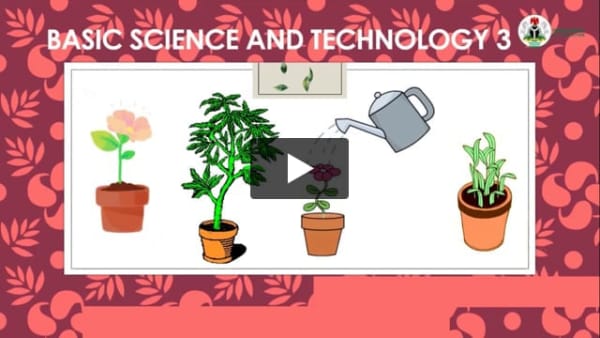
Plants as living things
Plants as living things
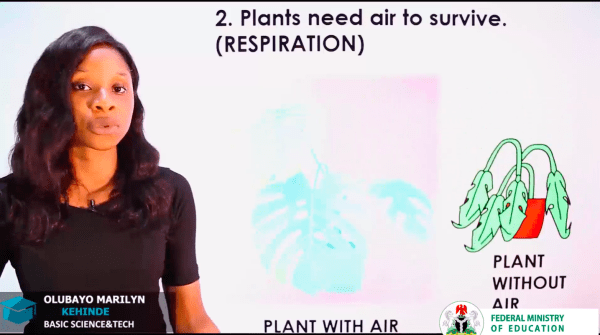
Plants as living things
Safety Rules in Swimming
Safety Rules in Swimming
Safety Rules in Swimming
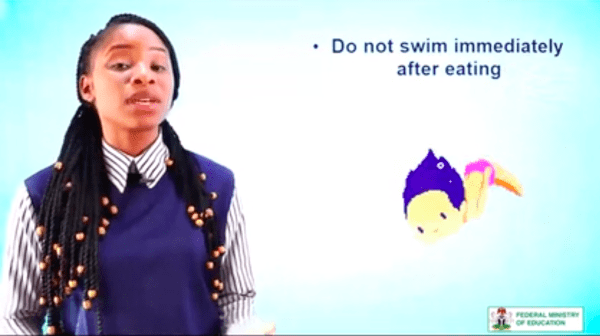
Safety Rules in Swimming
Swimming and Basic Styles in Swimming
Swimming and Basic Styles in Swimming
Swimming and Basic Styles in Swimming
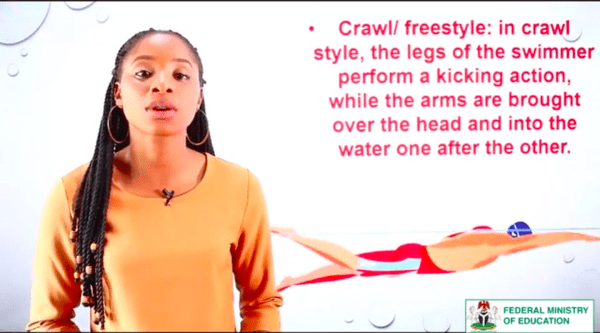
Swimming and Basic Styles in Swimming