
Word processing

Explain the term word processing
State the uses of word processing
load and exit Ms Word
Create, save retrieve files.
Operating system

Define operating system
Give examples of operating system
State the functions of an operating system
The art of information processing

Define the Art of Information processing
Explain the procedures for information processing
ICT application in every day life

Outline the uses of ICT
Identify the impact of ICT in the society
Classification of computers

Classify computers by type
Classify computers by size
Classify computers by functionality
History of computers
Identify the five generations of computers.
Describe the features of each generation.
Data and iformation
Define data
Define information
Identify different types of data
State two ways of handling data
Digitalizaton of data
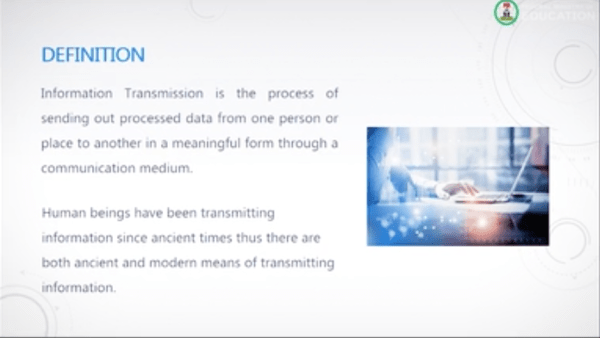
Define digitalization of data
Mention the various types of computers
State the components of computer
Digitalizaton of data
Define digitalization of data
Mention the various types of computers
State the components of computer
History of computing

Identify concrete devices used in computing.
Explain the concept of number system in cornoutinq.
Input and Output Devices
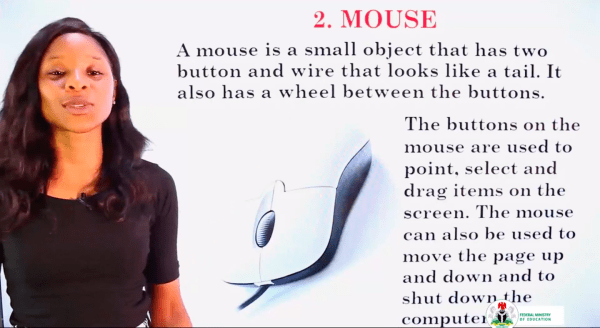
Learning about Input and Output Devices
History of Computers 2
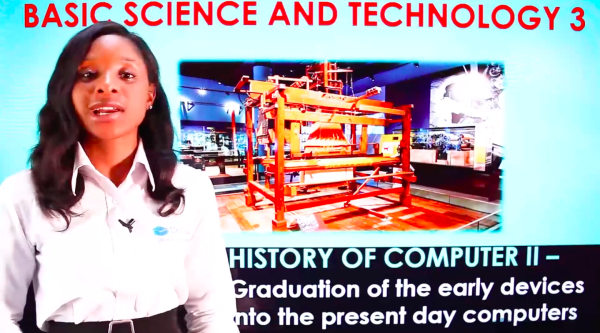
Learn more on History of Computers
History of Computers
History of Computers
Forms of Technology
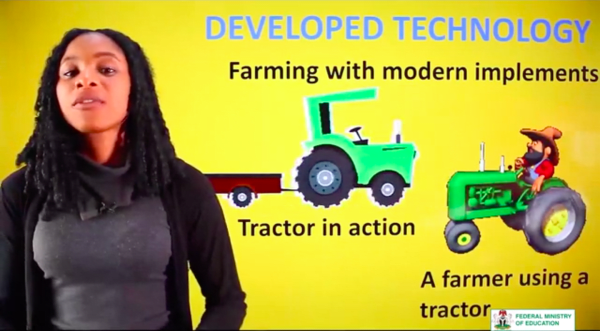
Forms of Technology
Semiconductor
Explain the concept of semiconductor
List different types of semiconductor materials.
Explain how doping of semiconductor is achieved.
Explain the process of formation of p – type and n-type semiconductor.
Explain the forward and reverse biasing of semiconductors.
Electromagnetism

Explain the terms:
– electric field
– electromagnet
-electromagnetism
– inductance
State the applications of electromagnetism, (e. g. electric bell, relays, transformer, etc)
Describe the principle of operation of a transformer.
Magnet and magnetic field

Define the following terms:
– magnetism
– magnetic poles
– magnetic field
– magnetic materials
Differentiate between permanent and temporary magnets
Demonstrate the law of attraction and repulsion of a magnet
State the applications of magnetism (e.g. Zip drive disk, floppy disk, magnetic tape).
Electric circuits
Explain the meaning of electric circuit.
Identify types of circuit boards.
Explain different circuit arrangements
Calculate resistance in:
i. Series
ii. Parallel, and
iii. Series-parallel.
Circuit components
State the different types of resistors, capacitors and inductors.
State the symbols, signs and units of the components mentioned in (1) above.
Identify different colour coding and rating of resistors and capacitors.
Relationships between current, voltage and resistant
Explain the following quantities: voltage, current and resistance.
State the units, symbols and instruments for measuring the quantities mentioned in (1) above.
State Ohm’s Law.
Perform a simple experiment to determine Ohm’s Law.
Calculate current, voltage and resistance in a given circuit.