
Cultural food habits
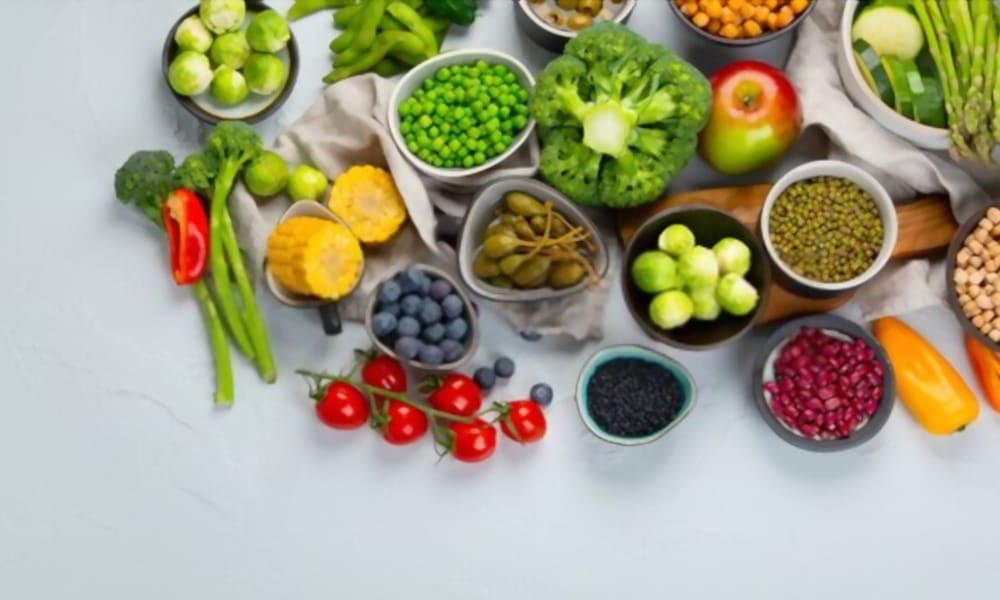
students should be able to:State the meaning of food habits.
Identify food habits.
Discuss the traditional foods that are associated with taboos in their locality.
The art of entertainment
The students should able to: describe different forms of entertainment.
plan for entertainment.
discuss good table manners.
discuss guiding rules for entertainment
demonstrate different table settings.
ICPC
State penalty for manufacturing of misbranded and adulterated
Choice and storage of food stuff
students should be able to: prepare a shopping list
explain the factors to consider when selecting foods for storage.
identify perishable food items.
state the importance of buying foods in bulk.
explain the meaning of shopping list.
Food budgeting
The students should be able to: prepare a family budget.
identify primary and secondary needs of the family.
state factors influencing the family budget.
prepare a food budget considering the nutritional needs of the family members.
make a food price list periodically.
keep accurate record of food expenditure within the budget.
Sources of family income:
– Gross income
– Net income
– Expenditure
– Miscellaneous expenses
Consumer education
The students should be able to: define consumer education.
gather information about consumer education.
discuss the disadvantages of impulse buying.
identify various consumer agents.
explain consumer agents operation.
identify different government agencies and regulations.-
Poultry
The students should be able to: identify different types of poultry.
explain the value of poultry and other game birds in nutrition.
dress and cut poultry appropriately.
cook poultry using appropriate methods.
explain the factors to consider when choosing poultry.
Food study : meats
The students should be able to: List types of meat used in preparing meals.
discuss the nutritive value of meat.
list factors to consider when choosing meat.
identify different cuts of meat.
Cook different cuts of meat using appropriate methods.
Discuss the advantages and disadvantages of each cooking method.
State sources of meat.
Rechauffe(left over cookery)
The students should able to: explain the meaning of “Rechauffe”
describe ways to use left over foods
describe how to left over foods
identify storage facilities for left over foods
Beverages
The students should be able to: identify types of beverages: non alcoholic, alcoholic
explain the nutritive value of beverages
prepare beverages, juices and drinks for nondifferent occasions
Extraction Rate
At the end of this lesson, the students should be able to understand Extraction Rate
Meat Cookery
At the end of this lesson, the students should be able to understand Meat Cookery
Nutritional Family Needs Ii
At the end of this lesson, the students should be able to understand the Nutritional Family Needs
Special diet
The students should be able to define the terms: vegetarians, invalid, convalescent, overweight and underweight, and HIVjAIDS.
differentiate between ovothe different types vegetarians.
plan adequate vegetarian diets that meet nutritional requirements.
plan nutritionally balanced diet for the invalid.
plan nutritionally adequate diet for persons suffering from feverand infection HIV and AIDS overweight and underweight
Nutritional needs of the family
The students should be able-to: discuss the nutritional requirements of different age groups in the family.
state factors affecting meal planning.
plan simple adequate meals for the family.
interpret a practical test assignment.
prepare and serve meals.
Storage and preservation of foods: ii
students should able to: explain the meaning of convenience foods.
explain why foods are preserved.
identify food to be preserved.
store foods adequately.
identify convenience foods in the local markets.
discuss the advantages and disadvantages of convenience foods.
preparation for preservation.
Storage and preservation of foods
students should able to: explain the meaning of convenience foods.
explain why foods are preserved.
identify food to be preserved.
store foods adequately.
identify convenience foods in the local markets.
discuss the advantages and disadvantages of convenience foods.
preparation for preservation.
Condiment and seasonings
Students should be able to: List the herbs and spices used in cookery.
Identify the sources of common herbs and spices.
Differentiate between spices and herbs.
List the uses of spices and herbs.
Discuss the food flavourings and colourinqs.
Sea foods
The students should be able to: list types of fish found in local and sea water.
discuss the nutritional value of sea foods.
prepare some meals using some sea foods.
Milk and milk products
Students should be able to: discuss the nutritive value milk and milk products.
discuss the various types of milk.
list milk products
state the uses of milk.