
Food study: eggs
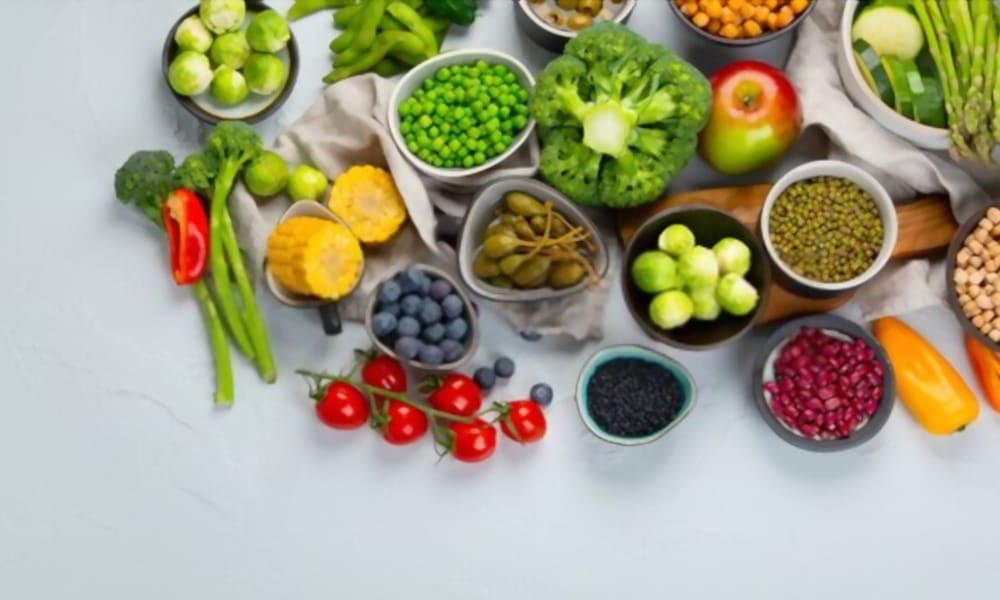
The students should be able to: list types of fish found in local and sea water.
discuss the nutritional value of sea foods.
prepare some meals using some sea foods.
Time and energy management in food preparation
Students should be able to: define Time and Energy Management.
identify tasks in food preparations that require time and energy management.
explain the importance of time and energy management in food preparation.
discuss the guide lines on time and energy management.
Labour saving device
Students should be able identify labour saving devices in the kitchen.
operate the labour saving devices.
discuss the factors which influence the choice of labour saving devices.
Care and maintenance of labour saving devices.
Kitchen equipment and utensils
Students should be able to: identify correct kitchen equipment for each task.
differentiate between large, mechanical and small equipment.
use and care for both types of equipment.
Check and put equipment in place at the end of each practical.
Sea Food Ii
At the end of this lesson, the students should be able to understand Sea Food
Flour mixture
Students should be able to: discuss the nutritive value milk and milk products.
discuss the various types of milk.
list milk products
state the uses of milk.
Vegetables/ fruits
The students should be able to: identify the different vegetables.
discuss the nutritive value of vegetables/fruits
state the factors affecting the choice of vegetables/fruits.
_ prepare vegetables using appropriate cooking methods.
Utilizing such in salad desert
Fruits and vegetables: fruits
Students should be able to: identify different types of fruits.
state the nutritive value of fruits.
differentiate between fruits and vegetables.
discuss the factors to consider while choosing fruits.
prepare and serve fruits in various ways.
Legume grains
Students should be able identify the different legume grains.
state the importance of legume grains.
discuss the nutritive value of legumes.
process some lequme grains into flour,
prepare meals from legume grains using appropriate cooking methods.
High / low extraction rate flour
Differentiate between high extraction rate flour and low extraction rate flour
food study: main food, cereal, grains
Students should be able to: identify different cereal grains.
discuss the nutritive value of cereals and process cereal grains into flours.
prepares meals from cereal grains using appropriate cooking methods.
ICPC
Students should be able to: Define the word ICPC.
State functions of ICPC
Penalties for such offences
Kitchen safety and hygeine
Students should be able to: handle kitchen equipment properlyand carefully to avoid accidents.
explain the importance of safety in the kitchen.
explain the content and use of a simple first Aid box.
use some first aid items to treat some kitchen accidents.
List the rules of personal hygiene.
Discuss the dangers of kitchen pests and how to prevent them.
Mention some acceptable food handling practices.
Discuss the diseases transmitted through poor food handling.
Mention the food sanitation laws
Kitchen plans equipment and tools
Students should be to: list types of kitchen
identify the types of equipment required in the kitchen.
choose kitchen equipment correctly.
use and care for equipment properly.
list differentcleaning agents and classify them according to their uses.
Reproductive health
Students should be able to define reproductive health.
identify male and female reproductive organs.
explain the relationship between adequate nutrition and reproductive health.
explain the meaning of dietary deficiency diseases.
discuss the signs, symptoms and causes of dietary deficiency diseases.
Digestive system
The meaning of digestion.
Defining simple metabolic terms.
Describing the digestive processes of each nutrient in the mouth and oesophagus.
Describing the digestive processes of each nutrient in the stomach and intestine.
Discussing different enzymes in relation to different nutrients.
Explaining the role of water and roughages in the digestive process.
Cereals
At the end of this lesson, the students should be able to understand Cereals
Scientific study of food
Students should be able to: Use simple standard food laboratory equipment with care and accuracy.
be familiar with common units of measure and conversions.
perform simple physical and chemical tests to detect . presence of nutrients in foods.
Basic food nutrients
Students should be able to:
Identify the various foods in the locality.
List the various food nutrients.
Classify the various local foods according to their nutrient quality and function.
Careers in food and nutrition
Students should be able to: list the careers of study in Foods and Nutrition.
Describe the interdisciplinary nature of Foods and Nutrition.
Describe other job options available in Foods and Nutrition.