
BUILDING FOUNDATION
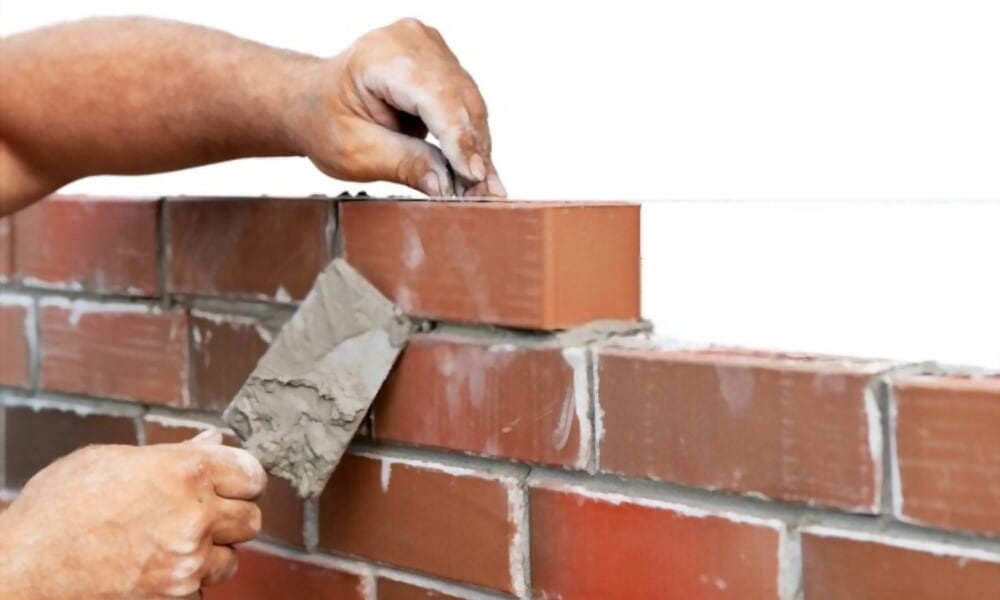
Students should be able to:
Explain purposes of foundation
Describe various types of foundation
List and describe factors influencing the choice of foundation.
EXCAVATION OF TRENCHES
Students should be able to:
Define the term excavation of trenches
State the functions of excavation
Identify the various types of soil.
Identify and list methods of excavation and tools.
SITE PREPARTION AND SETTING-OUT
Students should be able to:
Describe site preparation & procedure.
Methods of setting out.
SITE AND WORKSHOP ORGANISATION
Students should be able to:
Define site layout
Describe the preliminary operations
Explain the procedure for site layout
Identify sources of labour, materials and utilities.
BASIC HAND TOOLS AND EQUIPMENT IN USE
Students should be able:
– List various hand tool equipment
– Identify Basic Hand tools
– Sketch and state their functions
– Discuss the uses of equipments
BUILDING TEAM
Students should be able to:
– List members of Building Team
– State their various functions
– Outline the duties of the statutory personnel.
– Draw the organizational chart.
WORKING AND SITE SAFETY
Students should be able to:
Enumerate various safety precautions at work site.
State causes of hazards on the worksite
List methods of prevention of hazards.
Observe the various safety measures on the worksite.
Evolution(II)
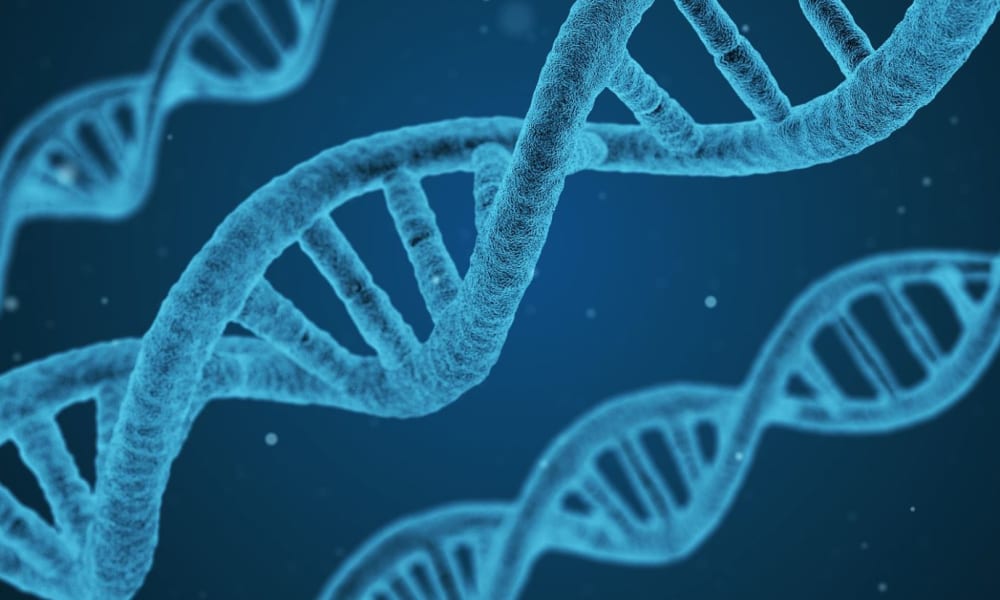
At the end of the lesson, the student should be able to understand more on Evolution
Classification and Dispersal and Germination of seeds
At the end of the lesson the student should be able to understand the cycle of the classification,dispersal and germination of seeds
Energy Transformation in Nature
At the end of the lesson the student should be able to understand energy transformation in nature
Courtship behavior in animals
Define Courtship behavior
List different types of Courtship behavior
Give examples of animals that show different types of Courtship behavior
State the importance of Courtship in animals
Reproduction in plants; The flower
Recognize the flower as the reproductive structure of higher plants
List the various parts of the flower
State the function of each part of the flower
Define placentation in reference to plants
List the different types of placentation
Fruit (II)
At the end of the lesson, the student should be able to understand more on Fruit
Reproductive System Structure For Mamalian Gamate 2
At the end of this lesson, the students should be able to understand the Reproductive System Structure For Mamalian Gamate
Evolution
The progressive change in the anatomy of organisms from water to land.
Adaptive colouration and their functions.
Examples of structural adaptations in the following organisms that aid their survival:
(i) mosquitoes feeding
(Ii) securing of mates in agama lizards.
Behavioural adaptation as regards the castes in termites.
Law of use and disuse according to Jean Baptist de Lamar.
Important features that support the evidence of evolution
Occurrences apart from natural selection that may bring about evolution.
Variation and Evolution
Define the terms evolution and variation in relation to living organisms.
Identify the relationship between the two terms variation and evolution.
Recognise that variation could be morphological or physiological.
State a few examples of:
(i) morphological variations.
(ii) physiological variations.
List different ways that individuals vary in their behaviours and functions.
Explain the application of variation to crime detection.
State the blood group types that can be transfused for an individual with a known blood group.
Deduce the possibility of children with a particular blood group belonging to a man (father).
Biology of Heredity (Genetics1)
Identify dominant/recessive characteristics.
Infer that dominant characters mask the contribution of the recessive characters for the first generation (Fl).
Recognise that the dominant characters become manifest in more individual members of a population than the recessive characters.
Identify chromosomes in diagrams of cells.
Note that chromosomes carry genes which are responsible for inherited characters:
(a) Explain the advantages and disadvantages of:
– Cross-fertilization and self-fertilization.
– Sexual reproduction and asexual reproduction.
– In and out-breeding.
(b) Relate the application of the above to practices in agriculture and medicine.
Reproductive Behaviours
State the different types of courtship behaviours in different animals.
Explain the terms:
(i) courtship
(ii) territorialism in animals.
Fruits
Distinguished between fruits and seeds.
State various types of fruits.
Classify fruits.
State the ways fruits are dispersed.
Describe the features that adapt fruits to their modes of disposal.
Development of New Seeds
Define fertilization.
Draw and label the male and female reproductive parts involved in fertilization.
Describe the process of pollen development.
Locate the position of embryo within the seed.