
Informal Letter Writing
At the end of this lesson, the students should be able to understand informal Letter
RESEARCH WRITING
At the end of this lesson, the students should be able to understand research writing
Narrative Composition
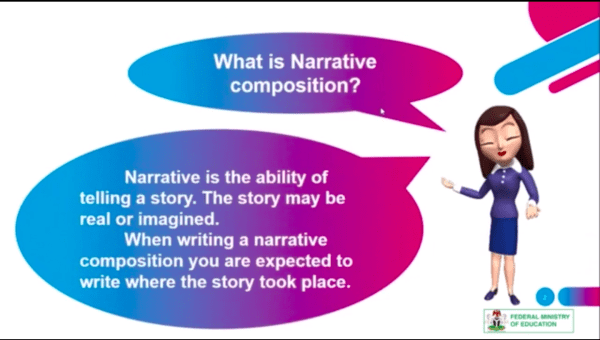
At the end of this lesson, the students should be able to understand Narrative Composition
Paragraphs
At the end of this lesson, the students should be able to understand Paragraphs
Proof Reading
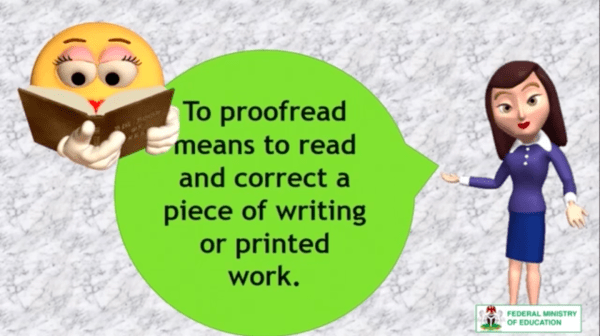
At the end of this lesson, the students should be able to understand Proof Reading
Narrative Composition
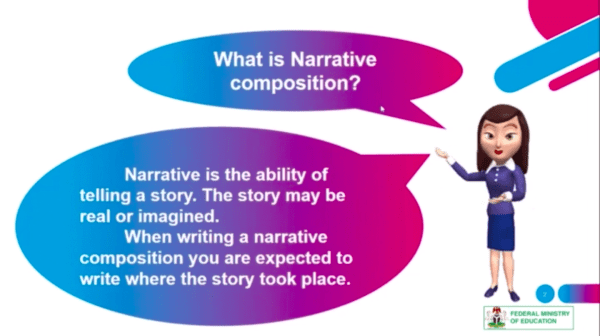
At the end of this lesson, the students should be able to understand Narrative Composition
Expository Composition
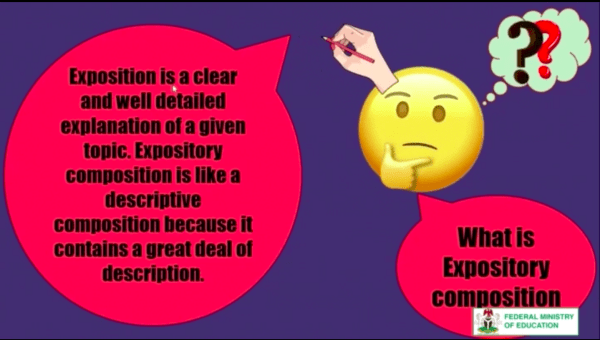
At the end of this lesson, the students should be able to understand Expository Composition
Formal Letter
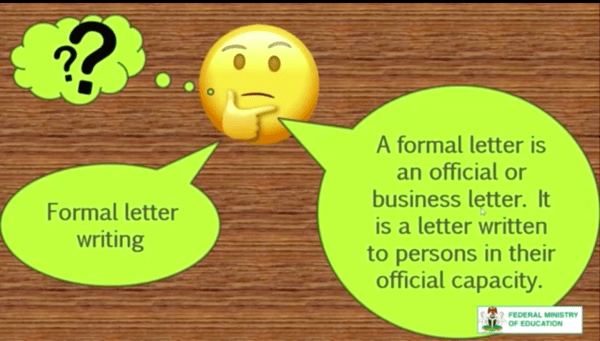
At the end of this lesson, the students should be able to understand Formal Letter
informal Letter
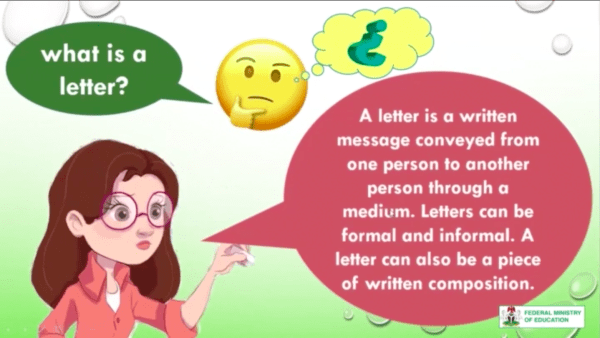
At the end of this lesson, the students should be able to understand informal Letter
Narrative CompositioN 3.
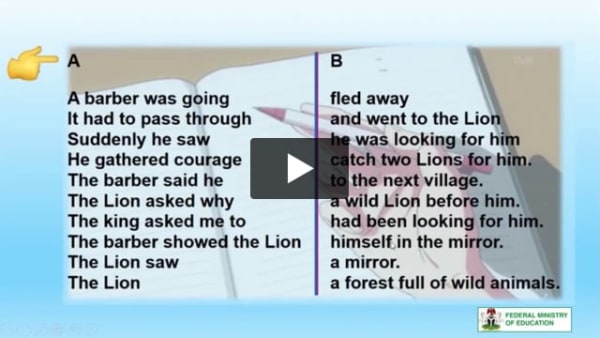
At the end of this lesson, the students should be able to understand Narrative Composition
Punctuation Marks
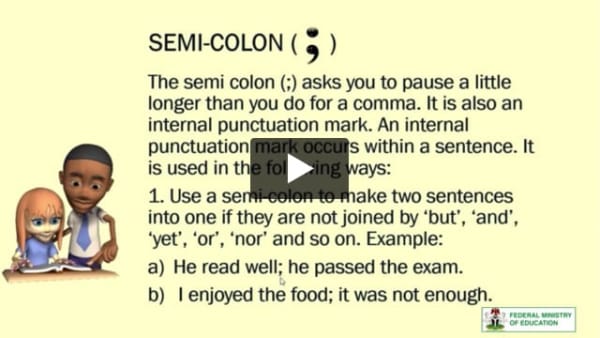
At the end of this lesson, the students should be able to understand Punctuation Marks
Punctuation Marks
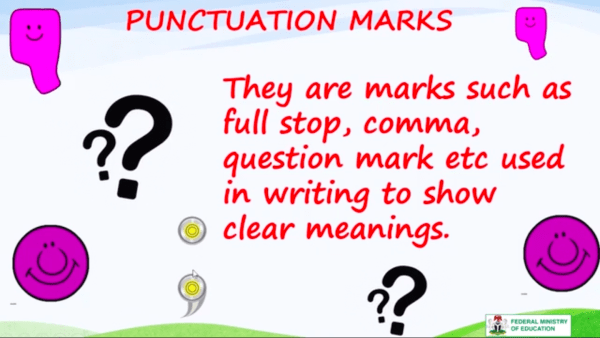
At the end of this lesson, the students should be able to understand Punctuation Marks
Punctuation Marks

At the end of this lesson, the students should be able to understand Punctuation Marks
Capitalization
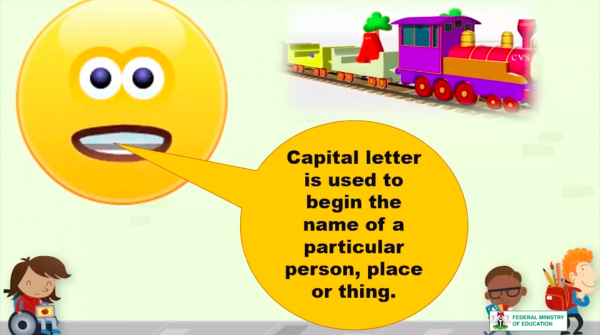
At the end of this lesson, the students should be able to understand Capitalization
History of Western Musical (Baroque)

At the end of this lesson, the students should be able to understand Baroque
Triads
At the end of this lesson, the students should be able to understand Triads
African Music Colonial, Pre Colonial And Post Colonial
At the end of this lesson, the students should be able to understand African Music Colonial, Pre Colonial And Post Colonial
Cadence(plagal/semi-cadence)
Students should be able to identify the plagal and semi cadences on the board.
write the root movements of the semi cadence : (d-s,) and plagal cadence (f-d).
differentiate bet” een the two cadences.
Diatonic intervals(melodic)
Students should be able to recognize intervals and their inversions
name the melodic intervals of a given melody.
Sight reading(Observation of musical terms, abbreviations and symbols)
Students should be able to read simple music at sight.
explain the meanings of dynamics in a given melody
list examples of dynamic sings and symbols used in music.