
Food study : meats
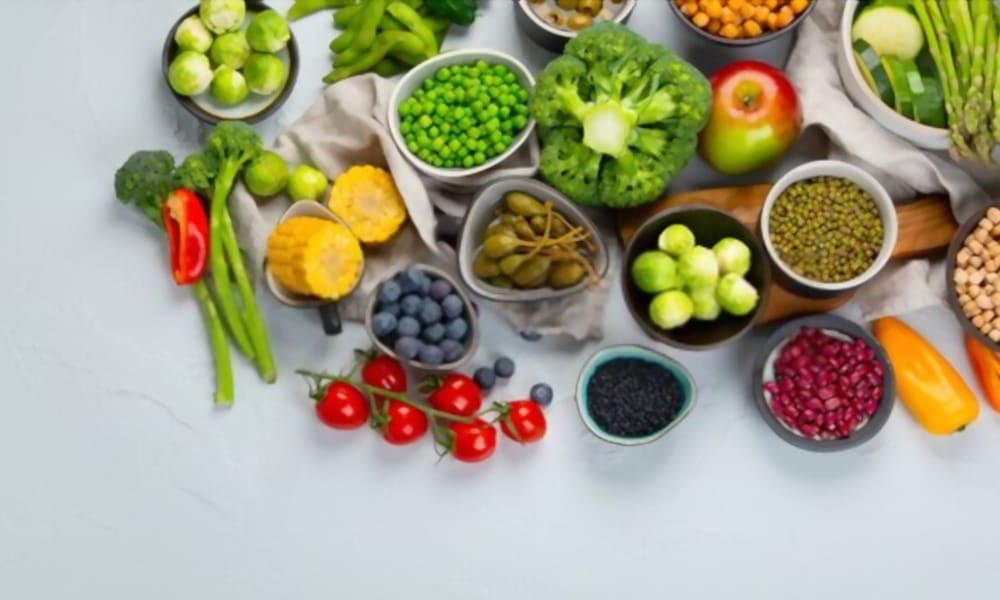
The students should be able to: List types of meat used in preparing meals.
discuss the nutritive value of meat.
list factors to consider when choosing meat.
identify different cuts of meat.
Cook different cuts of meat using appropriate methods.
Discuss the advantages and disadvantages of each cooking method.
State sources of meat.
Rechauffe(left over cookery)
The students should able to: explain the meaning of “Rechauffe”
describe ways to use left over foods
describe how to left over foods
identify storage facilities for left over foods
Beverages
The students should be able to: identify types of beverages: non alcoholic, alcoholic
explain the nutritive value of beverages
prepare beverages, juices and drinks for nondifferent occasions
Extraction Rate
At the end of this lesson, the students should be able to understand Extraction Rate
Meat Cookery
At the end of this lesson, the students should be able to understand Meat Cookery
Nutritional Family Needs Ii
At the end of this lesson, the students should be able to understand the Nutritional Family Needs
Special diet
The students should be able to define the terms: vegetarians, invalid, convalescent, overweight and underweight, and HIVjAIDS.
differentiate between ovothe different types vegetarians.
plan adequate vegetarian diets that meet nutritional requirements.
plan nutritionally balanced diet for the invalid.
plan nutritionally adequate diet for persons suffering from feverand infection HIV and AIDS overweight and underweight
Nutritional needs of the family
The students should be able-to: discuss the nutritional requirements of different age groups in the family.
state factors affecting meal planning.
plan simple adequate meals for the family.
interpret a practical test assignment.
prepare and serve meals.
Storage and preservation of foods: ii
students should able to: explain the meaning of convenience foods.
explain why foods are preserved.
identify food to be preserved.
store foods adequately.
identify convenience foods in the local markets.
discuss the advantages and disadvantages of convenience foods.
preparation for preservation.
Storage and preservation of foods
students should able to: explain the meaning of convenience foods.
explain why foods are preserved.
identify food to be preserved.
store foods adequately.
identify convenience foods in the local markets.
discuss the advantages and disadvantages of convenience foods.
preparation for preservation.
Condiment and seasonings
Students should be able to: List the herbs and spices used in cookery.
Identify the sources of common herbs and spices.
Differentiate between spices and herbs.
List the uses of spices and herbs.
Discuss the food flavourings and colourinqs.
Sea foods
The students should be able to: list types of fish found in local and sea water.
discuss the nutritional value of sea foods.
prepare some meals using some sea foods.
Milk and milk products
Students should be able to: discuss the nutritive value milk and milk products.
discuss the various types of milk.
list milk products
state the uses of milk.
Food study: eggs
The students should be able to: list types of fish found in local and sea water.
discuss the nutritional value of sea foods.
prepare some meals using some sea foods.
Time and energy management in food preparation
Students should be able to: define Time and Energy Management.
identify tasks in food preparations that require time and energy management.
explain the importance of time and energy management in food preparation.
discuss the guide lines on time and energy management.
Labour saving device
Students should be able identify labour saving devices in the kitchen.
operate the labour saving devices.
discuss the factors which influence the choice of labour saving devices.
Care and maintenance of labour saving devices.
Kitchen equipment and utensils
Students should be able to: identify correct kitchen equipment for each task.
differentiate between large, mechanical and small equipment.
use and care for both types of equipment.
Check and put equipment in place at the end of each practical.
Sea Food Ii
At the end of this lesson, the students should be able to understand Sea Food
Flour mixture
Students should be able to: discuss the nutritive value milk and milk products.
discuss the various types of milk.
list milk products
state the uses of milk.
Vegetables/ fruits
The students should be able to: identify the different vegetables.
discuss the nutritive value of vegetables/fruits
state the factors affecting the choice of vegetables/fruits.
_ prepare vegetables using appropriate cooking methods.
Utilizing such in salad desert