
Organic Chemistry
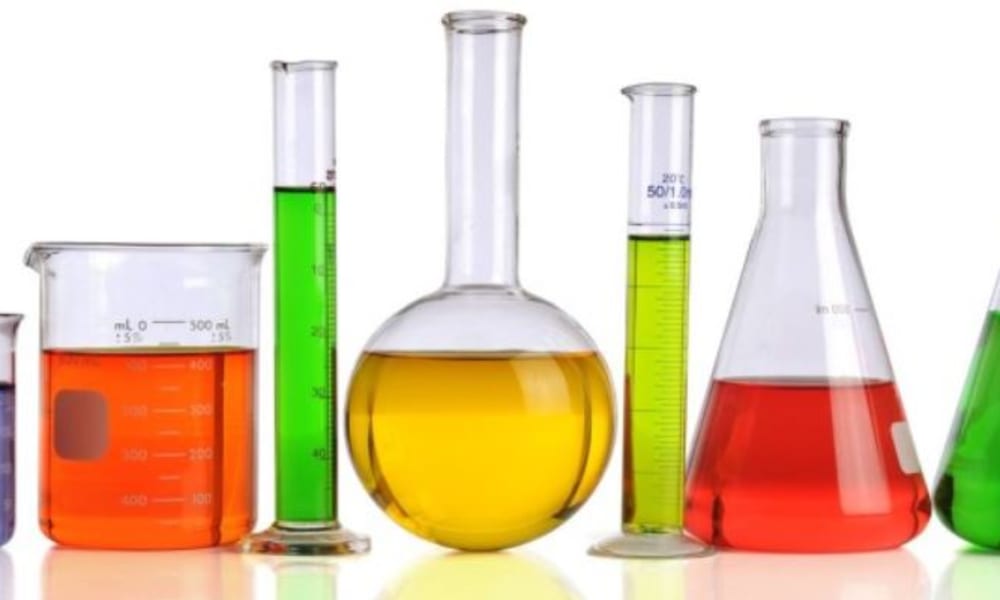
At the end of the lesson, the student should be able to understand Organic Chemistry
Ammonia and Trioxonitrate (IV) acid: Nitrogens
General properties of group VA elements
Laboratory preparation of nitrogen
Industrial preparation of nitrogen from liquid air
Properties of nitrogen
Uses of nitrogen
The oxides of nitrogen
Nitrogen cycle.
Huber process for the preparation of ammonia
Uses of ammonia
Balancing Oxidation And Reduction (Redox) Equation
At the end of this lesson, students should be able to: Explain the processes involved in a redox reaction and describe what happens to their various components.
Energy Changes Of Chemical Reactions; Enthalpy Ii
At the end of this lesson, the students should be able to understand Energy Changes Of Chemical Reactions; Enthalpy Ii
Electrolysis: Electrochemistry (II)
Explaining the quantitative aspects of electrolysis
-Defining electrolytes (strong, weak, fused/molten, non-electrolytes), electrolytic and electrochemical cells
-Differentiating between strong and weak electrolytes
-Illustrating the electrolysis of acidified water, copper II sulphates and brines;
-Identifying factors affecting the discharge of ions during Electrolysis
-Construction of electrolytic and electrochemical cells
-Faraday’s laws of Electrolysis
-Calculating the amount of substances liberated or deposited at electrodes during electrolysis
-The uses of electrolysis in the extraction and purification of metals
Electrolysis: Electrochemistry (I)
Explaining the quantitative aspects of electrolysis
-Defining electrolytes (strong, weak, fused/molten, non-electrolytes), electrolytic and electrochemical cells
-Differentiating between strong and weak electrolytes
-Illustrating the electrolysis of acidified water, copper II sulphates and brines;
-Identifying factors affecting the discharge of ions during Electrolysis
-Construction of electrolytic and electrochemical cells
-Faraday’s laws of Electrolysis
-Calculating the amount of substances liberated or deposited at electrodes during electrolysis
-The uses of electrolysis in the extraction and purification of metals
Electrolysis (iv)
At the end of the lesson, the students should be able to use the knowledge of Electrolysis in
Electrolysis (iii)
At the end of the lesson, the students should be able to use the knowledge of Electrolysis in
Electrolysis (ii)
At the end of the lesson, the students should be able to use the knowledge of Electrolysis in
Spontaneous Reactions: Energy and Energy Changes
Spontaneous Reactions: Energy and Energy Changes
Heat of Combustion: Energy and Energy Changes
The heat of Combustion: Energy and Energy Changes
Energy and Energy Changes
The concept of Energy and Energy Changes: Chemistry And Industry
Electrolysis (i)
Explaining the quantitative aspects of electrolysis
-Defining electrolytes (strong, weak, fused/molten, non-electrolytes), electrolytic and electrochemical cells
-Differentiating between strong and weak electrolytes
-Illustrating the electrolysis of acidified water, copper II sulphates and brines;
-Identifying factors affecting the discharge of ions during Electrolysis
-Construction of electrolytic and electrochemical cells
-Faraday’s laws of Electrolysis
-Calculating the amount of substances liberated or deposited at electrodes during electrolysis
-The uses of electrolysis in the extraction and purification of metals
Ionic Theory
Explaining the difference between:
– Electrovalent and covalent compounds
– Electrolytes and non-Electrolytes, and investigate the movement of ions in a solution
Distinguish between strong and weak electrolytes
Ranking and explaining the position of ions in the electrochemical series
Relate the order of ions in the electrochemical series to their rate of discharge from solution
State the factors affecting the preferential discharge of ions
Oxidation-Reduction (Redox) Reactions
Defining of oxidation as the addition of oxygen removal of hydrogen;
Process of electron loss
Process of increase of oxidation number of a substance
Define reduction as the reverse of any of the above processes.
Calculating oxidation numbers of elements using a set of arbitrary rules:
(a) oxidation number of free elements = 0
(b) oxidation number of oxygen in any compound is except in peroxides where it is – 1
(c) oxidation number of H is + 1, except in hydrides where it is – 1
(d) the oxidation number of a neutral molecule or compound is zero e.g. H2SO4 =0 etc.
Use oxidation numbers to name inorganic compounds, to include the number of oxygen atom and water
molecules (if hydrated) determine the oxidation states number of common elements in their compounds
Defining of oxidizing and reducing agents in terms of addition and removal of oxygen and hydrogen respectively loss and gain of electrons change in oxidation numbers/states
Writing and balancing redox equations.
Principal Quantum Numbers
At the end of this lesson, the students should be able to understand the Principal Quantum Numbers
Hydrocarbon
At the end of the lesson, the student should be able to understand Hydrocarbon
Carbon and its Compounds: Charcoal (II)
Identifying various substances in and around us that contain carbon;
Description of the unique characteristics of carbon as an element;
The relationship between the structure of carbon and the existence of many natural and synthetic carbon-containing compounds;
Define the term allotrope;
Show that carbon forms two types of oxides both of which are important economically.
Identify carbon (IV)oxide.
Carbon and its Compounds: Charcoal
Identifying various substances in and around us that contain carbon;
Description of the unique characteristics of carbon as an element;
The relationship between the structure of carbon and the existence of many natural and synthetic carbon-containing compounds;
Define the term allotrope;
Show that carbon forms two types of oxides both of which are important economically.
Identify carbon (IV)oxide.
Oxides of Carbon: Carbon and its Compounds
Identifying various substances in and around us that contain carbon;
Description of the unique characteristics of carbon as an element;
The relationship between the structure of carbon and the existence of many natural and synthetic carbon-containing compounds;
Define the term allotrope;
Show that carbon forms two types of oxides both of which are important economically.
Identify carbon (IV)oxide.